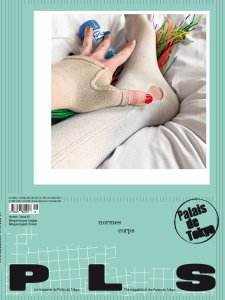
Designed in collaboration with the artist, this monograph provides a comprehensive overview of Benoît Piéron’s work from the late 2000s to the present, including his most recent exhibitions and projects. It draws on largely unpublished imagery that reflects the intellectual and emotional development of his community-based practice, and includes several essays and an interview.
You are holding in your hands Benoît Piéron's first unreasonable artist monograph.
This book was made in the Kingdom of "Coquillettes" under the rule of the Pyjama People, by Oulan_Bator editions.
Inside, you will find:
- a dutiful photo album of the artist's works
- an interview that spills into the margins
- well-grounded texts by lovely authors
- portraits of the artist in expressive outfits
- and color photographs of crip and intersex lifestyles.
— B.P.
Benoît Piéron (born 1983 in Ivry-sur-Seine, France) works on the creation of moments, installations, and objects exploring the sensuality of plants, the boundaries of the human body, and the temporal nature of waiting rooms. His creative journey encompasses various practices, including patchwork, existential gardening, and wallpaper design.
Having a long-term disease, Benoît Piéron has a very close relationship with the hospital ecosystem. He has developed a practice that not only draws inspiration from this environment but seeks to give plasticity to disease. To do this, Benoît Piéron uses as raw material used hospital sheets from different hospital departments. Far from the romantic heroism of the usual metaphors for malady, Piéron places himself in a joyous gray zone. Through his art, he endeavors to explore these uncharted territories, viewing it not as a burden but as a potential source of creative expression.
Central to Piéron's practice are contemplations on the experience of waiting and the complex interplay between health and illness. His work delves into the subtle boundaries that exist between presence and absence, the interior and exterior, the human body and the architectural structures that surround it, and the temporal aspects of medical institutions that mold the patient experience.